The connected thread
A useful sewing note, only when there is something worth sharing.
The Sewing Connection newsletter is being prepared alongside the new guide library. Expect practical tips, one achievable project and a short list of worthwhile reads.
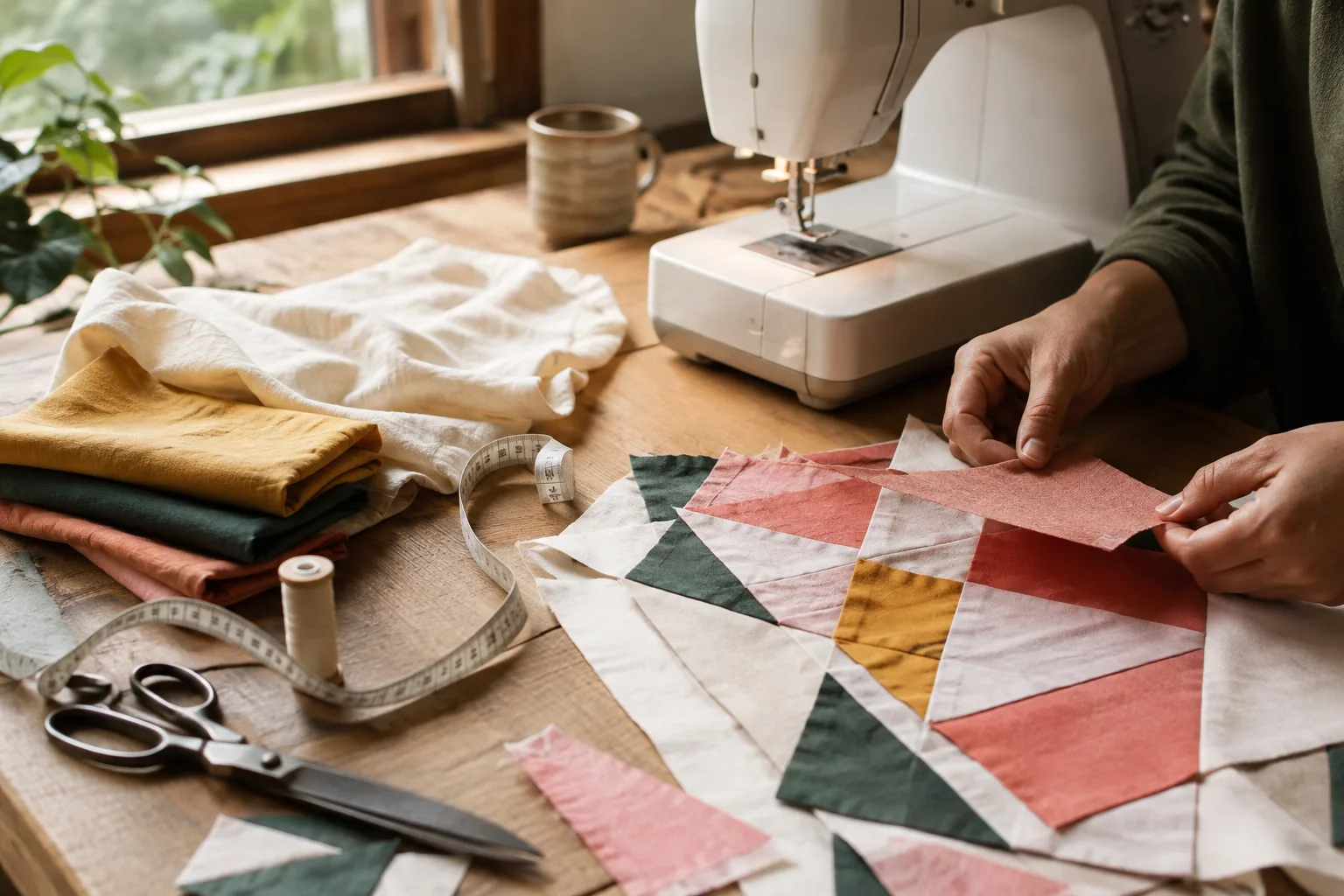
What to expect
A calm, edited note rather than a crowded catalogue: technique explanations, fabric confidence and project prompts for real sewing time.
Launching soon
Email hello@sewingconnection.com.au with “Newsletter” in the subject if you would like to hear when subscriptions open.
Your inbox, respected
Future signup will be permission-based, easy to leave and free of purchased mailing lists. Until that system is ready, no email address is collected on this page.
What the new Sewing Connection can help with
The rebuilt site concentrates on practical, transferable sewing knowledge: choosing compatible materials, understanding tools, preparing a machine, planning achievable projects and diagnosing common construction problems. Every guide is written to stand on its own, while links between related subjects make it easy to move from an idea to the technique that supports it.
Where a historical address is preserved, the page explains its new purpose clearly. This gives returning visitors a useful answer without suggesting that a former shop, account system or product range is still operating.
How to use the library
Begin with the question closest to the work in front of you. Read once for the overall sequence, then return with a fabric offcut or notebook and turn the advice into a small test. Sewing information becomes much more useful when you can compare it with the behaviour of your own machine and materials.
Follow the related links at the foot of each page when a term or technique needs more context. The site is deliberately organised as a connected reference rather than a stream of unrelated posts.
A careful approach to archived subjects
Old brand, collection and catalogue names are retained only when they identify the subject of a historical link. Prices, availability claims, photographs and sales copy from the former business are not reproduced. Instead, the page offers fresh editorial guidance and a transparent route into the current learning library.
This approach protects visitors from mistaking old information for a live offer while keeping the domain’s sewing and quilting history legible.
At the worktable
A practical checklist
Use this as a pause point before you cut, stitch or commit the final materials.
- 01Check that you are on the new, independently owned site
- 02Use the original receipt for any former order enquiry
- 03Include the page address when suggesting a correction
- 04Test technical advice on an offcut first
- 05Follow related guides for deeper context
- 06Keep your own notes beside the project
Common questions
Before you begin.
What should I check before working with newsletter?
Confirm the project’s finished purpose, washing needs and required dimensions first. Then test the exact combination of fabric, needle, thread, tool and pressing method on an offcut. The sample should reproduce the thickest or most delicate part of the final construction.
Is this subject suitable for a beginner?
Yes, when it is reduced to one new skill at a time. Choose stable materials, avoid an urgent deadline and make a small practice version before investing in a larger project. Beginners benefit from clear checkpoints more than from buying additional equipment.
How can I avoid wasting fabric?
Pre-wash and square only as the project requires, create a cutting diagram, and verify one repeated unit before batch cutting. Save generous offcuts for tension tests, seam samples and future repairs rather than cutting every remnant into tiny scraps immediately.
What should I do if my sample does not work?
Return to a known normal setup, then change one variable. Check threading, needle condition, grain direction, seam allowance and pressing temperature before altering the design. Write each change on the sample so the useful result can be repeated.